 Share
ShareCervical Spondylosis: Understanding Neck Arthritis
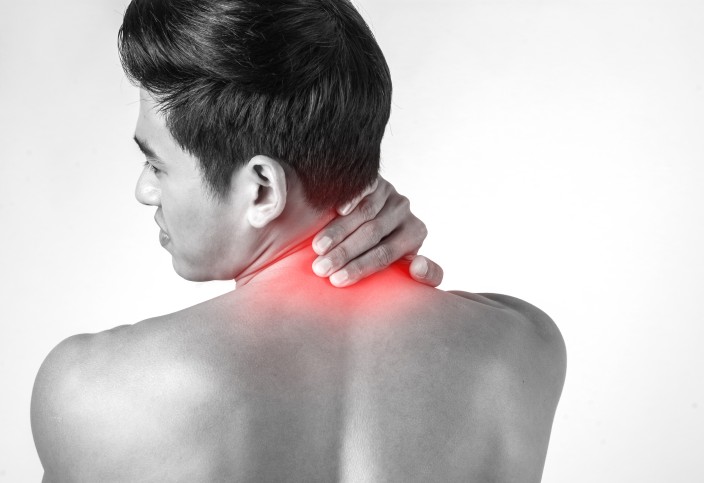
Neck pain is common — and often not serious. One of the most common causes is a condition called cervical spondylosis, also known as arthritis of the neck. This happens due to normal wear and tear in the neck as we age. In fact, most people over 60 will have some changes in their neck spine but many won’t even feel it.
The Good News: It’s Usually Manageable
For most people, cervical spondylosis is not dangerous. It causes:
• Mild to moderate neck pain
• Stiffness, especially after long periods in one position
• Occasional headaches or a feeling of grinding when you move your neck
These symptoms can come and go, and often improve with:
• Simple exercises
• Posture correction
• Lifestyle changes like taking breaks from screens and staying active
One doesn’t have to panic about spondylosis as it is a part of natural aging just like graying hair.
What’s Happening Inside the Neck?
Your neck has bones, joints, and soft cushions (called discs) that allow smooth movement.
With age:
• Discs dry out and shrink
• Joints may become a little stiff or arthritic
• Small bony overgrowths (bone spurs) may form
These changes can make your neck feel tight or sore but usually don’t cause any harm. Our lifestyle plays a major role. For example, people who are constantly using computer screens or are maintaining abnormal neck postures while using their cell phones are at risk for developing symptoms of neck pain.
What Can You Do at Home?
Most people feel better doing the following activities to reduce neck pain:
• Regular neck stretches and strengthening exercises.
• Staying active and avoiding long hours in one position, especially at work (using computer screens) or while using cell phones.
• Heat or cold packs for relief.
• Over-the-counter pain medicine, when needed.
A physiotherapist can guide you with the right exercise routine tailored for your neck.
Do you need an Xray or an MRI?
In most cases, people do not need future investigations, and the diagnosis can be made on clinical grounds alone. That is because most people will have cervical spondylosis on their imaging as it is part of the aging process. Diagnosis of cervical spondylosis will not necessarily help in treating your neck pain.
Sometimes, the doctors might order X-rays and MRI if they have clinical suspicion that the neck pain may be due to something other than an age-related or postural issue, or if the neck pain is associated with neurological symptoms like numbness, pain in the arm, or weakness.
When to See a Spine Specialist?
While most neck pain is harmless, seek medical advice if you have:
• Pain that doesn’t improve with rest and basic care within a few weeks.
• Weakness, tingling, or numbness in your arms or hands.
• Trouble walking, loss of balance, or coordination problems.
These could be signs of nerve involvement in the cervical spine (called cervical radiculopathy or cervical myelopathy), which may need further tests.
Do You Need Surgery?
Rarely. Surgery is only considered if there are serious nerve symptoms (cervical radiculopathy or myelopathy). For the vast majority, non-surgical treatments work very well.
Final Takeaway
Cervical spondylosis is a natural part of aging, not a disease to fear.
With the right habits, stretches, and awareness, you can live pain-free and active — without needing major treatments.
Submit your query