 Share
ShareHow to Keep Your Liver Healthy: Diet, Lifestyle, and Indian Remedies
Your liver processes everything. Blood filtration, toxin neutralization, drug metabolism, and protein synthesis for clotting. People ignore this organ until problems surface. Liver health requires intentional decisions, not random lifestyle choices.
Modern lifestyle is filled with processed foods, desk jobs, and environmental toxins that accumulate in surprising places. These elements build up gradually, making liver protection essential rather than optional.
Common Liver-Damaging Toxins
Everyone knows alcohol damages the liver. Fewer people recognize the other culprits that stress this vital organ daily. Understanding these sources allows for better decision-making about exposure levels. Here’s a list:
- Medications cause more liver problems than most realize. Acetaminophen painkillers, when used frequently without proper supervision, disrupt detoxification processes. NSAIDs create similar issues. The real danger isn't single-use situations but the habitual, casual consumption many adopt for ongoing pain management.
- Household chemicals present continuous low-level exposure. Cleaning products release fumes. Aerosol sprays disperse particles. Insecticides leave residues. Paint thinners evaporate slowly. Your liver processes these substances after inhalation, and cumulative exposure creates strain over time.
- Heavy metals accumulate through contaminated water and questionable supplements. Lead pipes that exist in older buildings. Mercury concentration in certain fish and cadmium in some fertilizers. These metals interfere with enzyme function once they settle in liver tissue.
- Viral infections create severe, lasting damage. Hepatitis A, B, and C remain the primary causes of chronic liver disease globally. Vaccination status becomes crucial here. Unvaccinated individuals face significantly higher risks.
- Processed foods damage through composition and not direct toxicity. Trans fats disrupt cellular membranes. Added sugars trigger inflammatory responses. High sodium levels stress multiple organ systems. The damage happens slowly, making detection difficult until symptoms show up.
- Tobacco impacts liver health indirectly. Nicotine metabolism isn't the primary concern. Rather, tobacco compounds amplify existing liver injuries and interfere with natural healing processes.
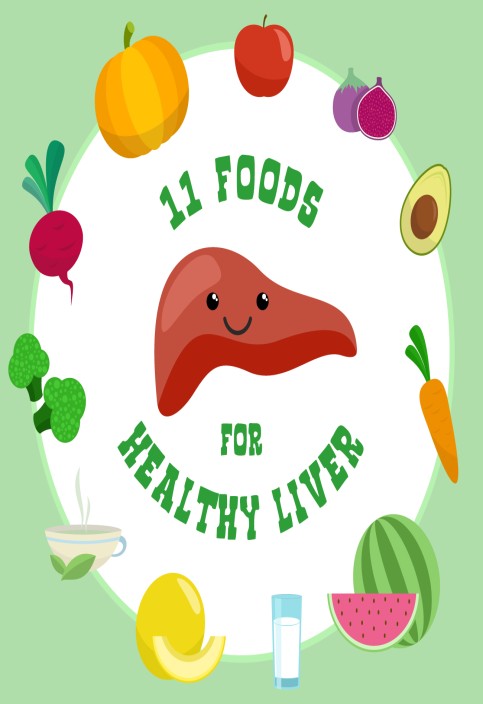
What To Eat to Keep Your Liver Healthy?
Food Item Benefits for Liver Health
Garlic Garlic contains selenium and allicin. It boosts antioxidant enzyme levels and aids in fat breakdown.
Black Coffee Reduces liver enzyme levels and offers protective benefits when consumed without excess sugar or cream.
Green Tea Rich in catechins and supports lipid metabolism.
Tofu Lean plant protein that replaces fatty meats and limits further triglyceride deposition.
Fish (Mackerel, Sardines, Rohu) Supplies omega-3 fatty acids and decreases liver fat levels.
Oatmeal Soluble fibre that stabilises blood glucose and reduces fat absorption.
Walnuts It contains arginine and omega-3s that can improve liver enzyme parameters.
Avocados High in monounsaturated fats, which are beneficial for hepatic repair despite being caloric.
Additional Recommendations Include greens, cruciferous vegetables, citrus fruits, fermented foods, and whole grains. Reduce processed snacks, refined flours, fried items, and sugary drinks.
Everyday Home Remedies to Keep Your Liver Healthy
Traditional Indian medicine developed liver support remedies over the centuries. These approaches target different mechanisms than modern pharmaceuticals. Here are a few remedies:
- Turmeric contains curcumin, which reduces inflammation and oxidative stress. Fresh turmeric root works better than powder. Combining with black pepper increases absorption. Fat-based preparations improve bioavailability further.
- Amla (Indian Gooseberry) delivers concentrated vitamin C and polyphenols. Fresh amla provides maximum benefits. Juicing extracts more nutrients than whole fruit consumption. Dried powder offers convenience but reduced potency.
- Neem cleanses blood through antimicrobial action. Dosage matters critically here. Small amounts of neem provide benefits, but excessive consumption can cause hepatotoxicity.
- Triphala is a combination of amla, bibhitaki, and haritaki in specific ratios. This blend supports digestive and liver health simultaneously. The triphala powder, when mixed with water, works well. Evening consumption before sleep will help in overnight action.
- Water intake influences toxin elimination. Plain water flushes metabolic waste. Herbal infusions like coriander water provide additional support.
Other Key Everyday Practices
- Exercises like walking, yoga, and cycling help in fat metabolism. These activities reduce liver inflammation. However, it is important to be consistent with daily exercise.
- Sleep maintains the hormonal balance needed for liver regeneration. Many repair processes occur during sleep hours. Chronic sleep deprivation disrupts these functions permanently.
- Medication avoidance prevents unnecessary liver stress. Frequent painkiller use creates cumulative damage. Many people underestimate this risk.
- Vaccinations against Hepatitis A and B prevent infection-related damage.
- Food safety practices prevent infections that compromise liver function. Some common practices are washing your hands before meals, consuming clean water, and having food from hygienic places.
- Alcohol limitation is crucial. Regular consumption causes fatty infiltration along with inflammation.
Conclusion
Liver health determines your overall wellness more than most people realize. Sedentary lifestyles combined with processed food consumption create perfect conditions for liver problems. Balanced nutrition and regular physical activity become essential rather than optional. Symptoms like unexplained fatigue, jaundice, digestive issues, and abdominal discomfort need medical evaluation. Early intervention prevents progression and preserves organ function. Book an appointment at Hinduja Hospital, Mahim, with liver specialists providing comprehensive screening and preventive care.
Frequently Asked Question (FAQs)
Which home remedy is best for the liver?
Turmeric is among the best home remedies for liver health. Its active compound, curcumin, has strong anti-inflammatory and antioxidant properties that support liver detoxification and repair.
What Indian food is good for the liver?
Bitter gourd, bottle gourd, and radish are known to support liver health and prevent degeneration. Brown rice and millets also limit fat accumulation in the liver while delivering essential nutrients.
What cleans the liver quickly?
Garlic helps detoxify the liver by activating liver enzymes and supplying selenium. Citrus fruits like grapefruit, oranges, limes, and lemons also improve the liver's natural cleansing ability.
What are the first signs of a bad liver?
Early signs include fatigue, loss of appetite, nausea, and jaundice (yellowing of skin and eyes). Other symptoms can be abdominal pain (upper right side), easy bruising or bleeding, dark urine, pale stools, and itchy skin.
Is curd good for the liver?
Yes, curd is beneficial for liver health, especially in fatty liver cases. It is rich in probiotics that improve gut health and may help reduce liver inflammation.
Submit your query