 Share
ShareHydronephrosis: Causes, Symptoms, and Treatment Options
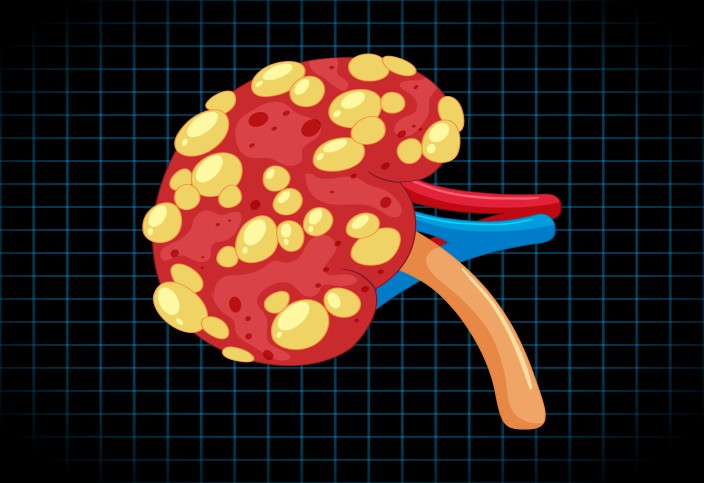
The kidneys are vital organs that filter waste and excess fluid from the blood. When something disturbs the flow of urine, the kidneys swell due to a buildup of fluid. This condition is known as hydronephrosis. It can affect one or both kidneys and is usually linked to urinary tract blockages or underlying kidney diseases and conditions. Hydronephrosis is not a disease in itself, but rather a red flag signalling that something is preventing urine from leaving the kidneys.
Hydronephrosis can develops slowly or appears suddenly. Mild cases resolve on their own, but severe obstruction can damage kidney tissue over period of time. Early diagnosis and prompt resolution of Hydronephrosishydronephrosis treatment are essential to protect kidney function and prevent long-term complications.
Causes of Hydronephrosis
The causes of hydronephrosis vary depending on age and health factors. Anything that blocks the urinary tract or prevents urine from draining properly can lead to this condition.
Common causes of hydronephrosis include:
- Kidney stones – These hard mineral deposits often block the ureter physically, the tube that carries urine from the kidney to the bladder.
- Enlarged prostate – In men, a swollen prostate gland presses on the urethra and slows urine drainage.
- Urinary tract infections (UTIs) – Repeated infections can cause inflammation that restricts urine flow.
- Pregnancy – The growing uterus sometimes presses against the ureters and creates a temporary obstruction.
- Congenital blockages – In infants, structural abnormalities like ureteropelvic junction obstruction can cause swelling in one or both kidneys.
- Tumours or cysts – Growths in the bladder, prostate, or pelvis block the urinary pathway.
- Nerve-related problems – Conditions that affect bladder nerve control, such as spinal injuries, interfere with urine flow.
If hydronephrosis this condition is left untreated, it raises pressure inside the kidneys and impairs their ability to filter blood efficiently.
Symptoms of Hydronephrosis
In many cases, hydronephrosis develops silently until urine buildup reaches a noticeable level. Noticing hydronephrosis symptoms early is important for timely treatment and to avoid kidney damage.
Common signs include:
- Pain in the side, back, or lower abdomen that feels dull or sharp.
- Frequent urge to urinate with reduced urine flow.
- Nausea or vomiting due to toxin buildup.
- Swelling in the abdomen or the flank area.
- Fever or chills if infection develops.
- Burning sensation or pain during urination.
- Cloudy or foul-smelling urine.
In newborns, hydronephrosis is sometimes detected during prenatal ultrasound. In such cases, doctors monitor kidney function closely to prevent complications after birth.
Diagnosis and Treatment of Hydronephrosis
Diagnosis of hydronephrosis starts with a detailed evaluation of symptoms and medical history. A physical examination helps the doctor identify tenderness around the kidneys or bladder.
Common diagnostic tests include
- Ultrasound - The first-line imaging test to detect kidney swelling and blockages.
- CT scan or MRI - Used when more detailed imaging is required to locate obstructions.
- Urine test - Checks for infection, blood, or abnormal protein levels.
- Blood test - Measures kidney function by assessing creatinine and blood urea nitrogen levels.
Once the cause is confirmed, the doctor designs a treatment hydronephrosis treatment plan based on severity and underlying condition.
Treatment options for Hydronephrosis
- Draining urine - A temporary catheter or nephrostomy tube is used to relieve pressure in severe cases. Sometimes, a stent may be used to bypass or override the blockage to let the urine flow freely again.
- Medication - Antibiotics are prescribed for infections, if present. Pain-relief medicines (kidney friendly) are given when stones or inflammation cause discomfort.
- Removing blockages - Procedures like ureteroscopy or lithotripsy remove kidney stones. In some cases, surgery is needed to correct structural issues.
- Prostate management - For men with prostate enlargement, alpha-blockers or minimally invasive procedures improve urine flow. Patients may need surgery in some cases.
- Surgery for tumors - If cancerous growths obstruct urine passage, surgical removal is required to restore function.
Early treatment usually prevents permanent damage. However, delayed diagnosis causes scarring, infection, or kidney failure that demands dialysis or transplant in extreme situations.
How to Prevent Hydronephrosis?
Now that you know about what hydronephrosis is, let’s understand how you can prevent it:
- Drink enough water for regular urine flow. It reduces the chances of stone formation.
- Avoid holding urine for long periods. It increases pressure on the bladder and kidneys.
- Manage chronic conditions. Control diabetes and blood pressure to prevent secondary kidney problems.
- Follow up after infections. Even mild urinary tract infections should be treated to avoid complications.
- Proper personal hygiene reduces bacterial infection risk in the urinary tract.
- Regular health check-ups are a must. Early screening detects kidney-related issues before they progress.
For those with a history of kidney stones or prostate enlargement, preventive medications or lifestyle adjustments can be discussed with a nephrologist.
Conclusion
Hydronephrosis is more than just kidney swelling; it signals an underlying condition that requires medical attention. Patients recover without major complications if it is detected early. Hence, it is important to pay attention to symptoms such as flank pain, reduced urine flow, or fever, as it can worsen the condition.
At Hinduja Hospital Mahim, our nephrology and urology specialists focus on accurate diagnosis and comprehensive management of hydronephrosis and other kidney diseases and conditions. From advanced imaging to minimally invasive procedures, every step is designed to preserve kidney function and restore comfort. If you notice any symptoms of urinary obstruction or kidney infection, schedule a consultation with our experts to receive care on time.
Frequently Asked Question (FAQs)
Can Hydronephrosis occur without any symptoms?
Yes. Hydronephrosis which develops chronically over a period of time may not have any symptoms till it becomes severe. Presence of kidney stones in the past should warrant regular Ultrasounds as mentioned above, to ensure there is no concurrent or subsequent hydronephrosis developing which goes unnoticed.
Can hydronephrosis heal itself?
Mild hydronephrosis mayoften improves without treatment, especially in infants or during pregnancy. Severe or persistent cases need medical care to remove blockages and prevent kidney damage. If hydronephrosis is detected, it is important to consult a Nephrologist and Urologist and ensure regular follow up.
How to fix hydronephrosis naturally?
No, hydronephrosis needs medical treatment based on the cause. Staying hydrated and preventing infections or stones helps protect your kidneys, but natural remedies alone cannot cure the condition.
Submit your query