 Share
ShareLow Blood Pressure (Low BP): Common Causes, Symptoms & When to Worry
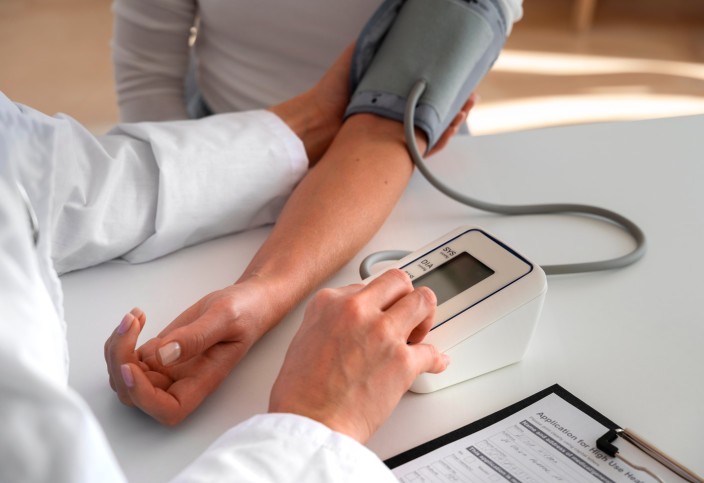
Blood pressure refers to the force circulating blood exerts on the walls of arteries with each heartbeat. Low blood pressure (hypotension) occurs when this force is lower than required for organs to get an adequate supply of oxygen and nutrients. Readings below 90/60 mmHg are generally considered hypotensive. While such readings do not always indicate a problem, consistent low BP episodes should not be ignored.
Reduced blood volume, dehydration, hormonal imbalances, or heart function issues contribute to these readings. Some individuals live with naturally low BP without symptoms. However, for others, it can be some other health condition that needs medical evaluation.
What Are the Causes of Low Blood Pressure?
Causes of low blood pressure differ among individuals based on age, overall health, medications taken, and environmental conditions. Some of the recognised causes include:
- Dehydration – Even mild dehydration reduces blood volume, which lowers pressure within vessels. Excessive sweating, vomiting, diarrhoea, or inadequate water intake lead to such fluid loss.
- Heart problems – Slow heart rate (bradycardia), structural issues with heart valves, or weakened heart muscle from heart failure affect how effectively blood is pumped through the body.
- Endocrine disorders – Conditions like Addison's disease (adrenal glands not producing enough hormones) also lead to hypotension.
- Blood loss – Loss of significant amounts of blood from injuries, internal bleeding, or gastrointestinal ulcers causes a sudden drop in BP.
- Severe infection (septicemia) – When infection spreads into the bloodstream, blood vessels widen abnormally and resulting in a critical fall in BP.
- Lack of nutrients – Deficiency of vitamin B12, folate, or iron impacts red blood cell production, reducing the blood's oxygen-carrying capacity and leading to lower BP.
- Pregnancy – Expansion of the circulatory system during pregnancy lowers BP. It is commonly seen during the first and second trimesters.
- Certain medications - Diuretics (high BP), alpha blockers (prostate conditions), beta blockers (heart ailments), antidepressants, and drugs for Parkinson's disease also lower BP as a side effect.
In many cases, low BP is temporary due to dehydration or standing up too quickly. However, if symptoms develop repeatedly or BP remains consistently low without clear triggers, you must consult a doctor. Ignoring them risks delayed treatment for cardiac, hormonal, or neurological disorders.
What Are the Common Symptoms of Low Blood Pressure?
Symptoms of low blood pressure do not always appear unless BP falls below a critical level. Some common signs include:
- Dizziness or light-headedness when you stand up from a seated or lying position.
- Blurred vision or a sense of narrowing visual field.
- Feeling faint or experiencing actual fainting episodes.
- Nausea that does not relate to food intake or digestion issues.
- Unusual tiredness or a feeling of bodily weakness unrelated to exertion.
- Confusion or clouded thinking, or difficulty concentrating, occurs when BP drops drastically.
- Cold, clammy, pale skin in cases of severe drops indicates circulatory compromise.
Occasional mild dizziness after getting up too quickly might not signal an illness. However, recurrent symptoms affecting daily life require medical evaluation. Consistent hypotension reduces blood supply to the heart and brain and increases the risk of falls, injuries, and long-term organ damage if left unmanaged.
What are the home remedies to manage low blood pressure?
You can manage low BP through various lifestyle adjustments at home. Some common approaches include:
- High salt intake – Sodium helps raise BP by retaining fluid within blood vessels. Patients are advised to adjust it only after discussing with their doctor to avoid complications like fluid overload or hypertension.
- Drink adequate fluids – Water expands blood volume, which prevents dehydration-related hypotension. Oral rehydration solutions are also used when electrolyte imbalance is a concern.
- Wear compression stockings – Compression stockings apply pressure on the legs. It prevents blood pooling, which stabilises BP when standing.
- Eat small, frequent meals – Large meals divert blood to the digestive system and cause postprandial hypotension. Smaller, balanced meals keep BP stable throughout the day.
- Limit alcohol consumption – Alcohol dilates blood vessels and promotes fluid loss, which can lower your BP.
- Elevate head during sleep – Keeping the head slightly raised reduces the effects of gravity on circulation during sleep to prevent BP from dropping when you wake up.
These remedies support blood pressure stability but do not replace medical consultation. If your symptoms persist even after lifestyle management is a signal that you need to consult a doctor.
Conclusion
Low blood pressure is often seen as a minor concern when compared to hypertension. However, understanding low BP causes, recognising symptoms early, and implementing effective low BP remedies are crucial for preventing injuries and complications. If you experience persistent dizziness or fainting, a thorough evaluation by a specialist is essential.
Hinduja Hospital Mahim offers comprehensive diagnostics and personalised treatment plans to address low blood pressure and related health conditions with expertise and care. Book your appointment today to ensure your health remains steady and uncompromised.
Frequently Asked Question (FAQs)
What should you avoid eating when BP is low?
People with low blood pressure should avoid foods low in sodium, as sodium helps maintain BP levels. Items like frozen fish without added salt, unsalted nuts and seeds, dry peas, and beans with no salt content should be limited. Excessive intake of milk and other calcium-rich foods may also be avoided, depending on individual health advice.
How to raise BP quickly?
To raise blood pressure quickly, drink a glass of water or coffee and lie down with your legs elevated to improve blood flow to the heart and brain.
Is chocolate good for low blood pressure?
Dark chocolate may help those with low blood pressure as it contains flavonoids that improve blood vessel function and circulation. However, it should be eaten in moderation due to its calorie and fat content.
Submit your query