 Share
ShareOvarian Cancer Symptoms Every Women Should Know
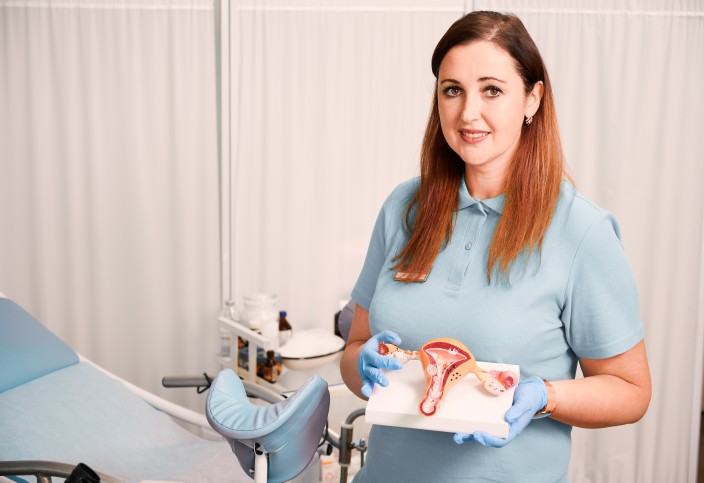
The symptoms of ovarian cancer are often mild or ambiguous until the disease progresses. This guide outlines the key symptoms every woman should know. Let's understand in detail about the causes, types, and preventive considerations of ovarian cancer and what you must ask your doctor about the same.
What are the symptoms of ovarian cancer?
The symptoms of ovarian cancer are similar to other conditions or discomfort that women face in their day-to-day lives. Key symptoms include:
- Persistent abdominal bloating lasting weeks rather than days.
- Feeling full quickly even after having small meals.
- Unexplained weight loss without changes in diet or activity.
- Pelvic pain and dull aching that is unrelated to menstrual cycles.
- Fatigue that does not improve with rest.
- Lower back pain with no musculoskeletal origin.
- Changes in bowel habits, like persistent constipation.
- Increased urinary urgency or frequency in the absence of urinary tract infections or hydration changes.
Many women initially change their diets, increase fibre intake, or take antacids, misinterpreting it as PCOS or endometriosis. They seek medical evaluation only when symptoms become severe.
Causes of ovarian cancer
Causes of ovarian cancer are insidious. You can’t pick that you got ovarian cancer because of a particular reason. A few factors associated with increased risk include:
- DNA mutations trigger abnormal cell growth, leading to malignancy.
- Age with peak diagnoses among women between 50 to 63 years old.
- Genetic mutations in the BRCA1 and BRCA2 genes increase lifetime risk.
- Family history of close relatives diagnosed with ovarian cancer.
- Endometriosis is where tissue like the uterine lining grows outside the uterus.
- Hormone replacement therapy post-menopause.
- Never experienced pregnancy. It is relatively riskier as compared to those who have carried pregnancies to term.
Types of ovarian cancer
Ovarian cancers are not homogenous. Three primary types are recognised based on their cellular origin:
- Epithelial tumours
- These arise from the thin layer of tissue covering the ovary. They are further categorised into serous, mucinous, endometrioid, and clear cell carcinomas, each with distinct microscopic features influencing prognosis and treatment response.
- Stromal tumours
- It is less common as these begin in ovarian connective tissue cells that produce hormones. Stromal tumours are present earlier due to hormone-related symptoms.
- Germ cell tumours
- It originates from the cells that produce eggs. These are rare and more common in younger women. It is often detected at earlier stages, allowing favourable treatment outcomes.
Once the type is determined by the doctor, it helps them decide on the surgical approach, chemotherapy protocols, and predict disease behaviour.
How to prevent ovarian cancer?
It is tricky to prevent something as complex as ovarian cancer. However, you can take certain measures to reduce the risk.
- Many doctors suggest that oral contraceptives can prevent ovarian cancer as they suppress ovulation and reduce the opportunities for cellular mutations during egg release. However, there are several side effects of contraceptives, so make sure to consult your doctor for the same.
- Surgical procedures such as tubal ligation or removal of fallopian tubes and ovaries in high-risk women (particularly those with BRCA mutations) are preventive options.
- Pregnancy and breastfeeding contribute to risk reduction as they involve prolonged periods of hormonal changes and ovulation suppression.
- Try to avoid hormone replacement therapy post-menopause unless advised otherwise by your doctor.
- Be aware of your family history and seek genetic counselling if you find out any information about ovarian cancer detected in your family.
What questions must you ask your doctor about ovarian cancer?
The journey doesn’t end at diagnosis or screening; you must be clear about what everything means. Ask all types of doubts to your doctor, no matter how basic or stupid it is, here are a few:
- What specific type of ovarian cancer do I have? And what does this mean for my treatment?
- What stage is my cancer, and how will this affect outcomes?
- What treatment options are available, and what are their potential side effects?
- What is the probability of conceiving a baby after recovery from ovarian cancer?
- Is genetic testing recommended for me or my family members?
- How will treatment impact my hormonal health?
- What symptoms should I monitor during treatment for complications or progression?
- Are there clinical trials relevant to my diagnosis that I may consider?
Conclusion
As ovarian cancer has very vague symptoms, recognizing the subtle changes like regular bloating, unexplained weight loss, and pelvic discomfort is important. If you experience any of these symptoms, it is time to consult a gynaecologist at your earliest.
Early recognition and timely consultation can help you overcome ovarian cancer. If you are experiencing any consistent symptoms or wish to discuss your risk factors in detail, consult our specialists at Hinduja Hospital, Mahim, to get a comprehensive evaluation and expert care.
Frequently Asked Question (FAQs)
What are the early warning signs of ovarian cancer?
Persistent bloating, pelvic or abdominal pain, feeling full quickly, frequent urination, and changes in bowel habits are some of the common early signs.
Is cancer in the ovaries curable?
Ovarian cancer is treatable and sometimes curable if detected early. However, outcomes depend on the stage, type, and overall health.
How fast can ovarian cancer spread?
It can progress rapidly, with some types spreading from early to advanced stages within months.
Can a blood test detect ovarian cancer?
A CA-125 blood test can detect markers linked to ovarian cancer, but it is used alongside other diagnostic methods.
Submit your query