 Share
ShareSleep Apnea in India: The Hidden Disorder Behind Snoring and Daytime Fatigue
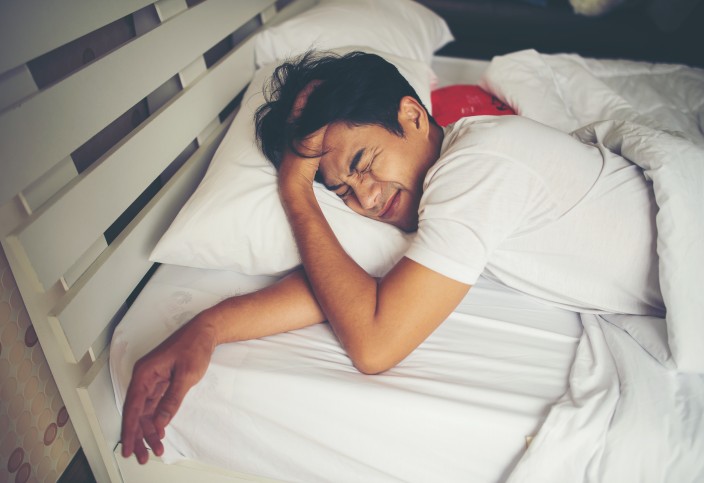
Snoring that rattles through the night or the constant struggle to stay alert during the day feels like a normal part of life in many Indian households. These patterns usually blend into routine conversations about being tired. Yet they reflect something deeper linked to sleep apnea, a sleep disorder that disrupts the flow of air and affects long-term health.
In this article, we will understand what sleep apnea is, its causes, symptoms, and treatment options in detail:
What Is Sleep Apnea?
To understand the meaning of sleep apnea, notice how the body maintains airflow during sleep. Breathing should stay steady through the night. With sleep apnea, airflow stops for several seconds at a time. Oxygen levels drop, and the body is forced out of deeper sleep to restart breathing. These repeated interruptions influence how refreshed you feel the next day. Obstructive, central, and complex forms of apnea affect breathing in different ways and require accurate evaluation.
Symptoms of Sleep Apnea
Sleep patterns change gradually, which is why the early warning signs slip past families without much concern. Individuals usually feel tired without understanding why, and children show behavioural changes that appear unrelated to sleep. When these symptoms form a pattern, they point toward a deeper problem that affects breathing through the night.
- Loud snoring or snoring that becomes louder over time
- Pauses in breathing that others notice
- Sudden gasps or choking episodes
- Dry mouth or a sore throat in the morning
- Trouble staying alert during the day
- Irritability or difficulty focusing
- Morning headaches or sweating at night
- Disturbed sleep-in or frequent awakenings
- Mouth breathing, school struggles, or unusual sleeping positions in children
Types of Sleep Apnea
Different forms of apnea affect breathing through unique mechanisms. Most adults in India experience obstructive patterns, yet central events appear in people with neurological or cardiac conditions.
- Obstructive Sleep Apnea occurs when the airway narrows as the throat muscles relax.
- Central Sleep Apnea is driven by reduced brain signals to breathing muscles.
- Complex Sleep Apnea happens when obstructive patterns change into central ones during treatment.
Why Sleep Apnea Is Hidden in India?
Daily routines and long work hours often overshadow the clues. Snoring is seen as normal, and daytime tiredness is understood as stress. Many people do not link poor sleep with chronic disease, which keeps the condition unnoticed for years. This gap delays diagnosis and increases the chance of complications.
- Snoring is treated as harmless instead of a warning sign
- Fatigue is linked with workload rather than sleep disturbance
- Limited awareness of sleep clinics and testing facilities
- Higher rates of obesity and undiagnosed diabetes
- Alcohol use or sedentary habits that affect airway support
- Reluctance to discuss sleep problems openly
Causes and Risk Factors
Multiple factors shape the development of sleep apnea symptoms. Some relate to anatomy, while some are connected to medical conditions that affect the airway or breathing control. Some common causes are:
- Excess weight around the neck
- Narrow airway or large tonsils
- Age-related changes in throat muscle tone
- Family history of the condition
- Smoking or alcohol use
- Persistent nasal congestion
- Chronic conditions like diabetes, high blood pressure, lung disease, or kidney disorders
- Neurological issues such as stroke
- Enlarged tonsils or adenoids in children
Dangers of Leaving Sleep Apnea Untreated
Untreated breathing can increase ongoing stress on the body. Oxygen drops disturb the heart, affect blood pressure, and change blood sugar control. Over time, these changes increase the chance of chronic disease and reduce day-to-day alertness. Early treatment lowers these risks and restores sleep cycles.
- Higher blood pressure from repeated oxygen drops
- Greater risk of heart disease, stroke, or rhythm disturbances
- Insulin resistance linked with type 2 diabetes
- Liver abnormalities on routine tests
- Mood changes and reduced concentration
- Persistent fatigue that affects daily tasks
- Lower long-term quality of life
How is Sleep Apnea Diagnosed?
A clinical evaluation provides the first indication, but specialised tests confirm the diagnosis and identify the severity. Doctors check your sleep behaviour, partner observations, and underlying conditions that affect breathing. A structured approach ensures that treatment is accurate and effective.
- Clinical review of symptoms and health history
- Partner-reported breathing pauses or loud snoring
- Home sleep testing to detect airflow and oxygen changes
- Overnight polysomnography for detailed monitoring
- Classification into mild, moderate, or severe apnea
- Referral to a sleep specialist when advanced care is needed
Treatment Options
Lifestyle changes can treat sleep apnea, and specialised devices improve breathing during sleep. Procedures or surgery are considered when anatomical issues affect airflow. The goal is steady sleep, safer oxygen levels, and improved daytime alertness.
Lifestyle changes
- Weight reduction
- Avoiding alcohol or sedatives at night
- Treating nasal allergies
- Sleeping on one side
- Consistent sleep habits
Positive airway pressure therapy
- CPAP for continuous airflow
- BiPAP for variable pressures
- Auto-PAP that adjusts throughout the night
- ASV for complex patterns
Oral appliances
- Jaw or tongue repositioning devices
Additional measures
- Oxygen support for central apnea
- Adjusting medications when needed
- Tirzepatide for weight-related obstructive apnea
Surgical options
- Nerve stimulation
- Tissue reduction procedures
- Removal of large tonsils or adenoids
- Jaw repositioning or tracheostomy in special cases
Conclusion
Snoring during the night or fatigue that lingers through the day can disturb your daily routine. Sleep apnea shapes how your heart functions, how your blood pressure behaves, and how well your mind stays alert. Early diagnosis prevents these complications from building silently, and treatment on time will keep you away from serious disorders. People who receive care share that they have clearer mornings, improved concentration, and better control of chronic conditions that once felt difficult to manage.
If these symptoms feel familiar, reach out to our specialists at Hinduja Hospital Mahim. The sleep clinic specializes in sleep medicine, pulmonary, and ENT to provide structured assessments, sleep studies, and personalized treatment plans that support safer breathing and overall well-being. A detailed evaluation at the right time helps you reclaim energy, stability, and long-term well-being with informed guidance at every step.
Frequently Asked Question (FAQs)
Is sleep apnea treatable?
Sleep apnea is treatable through lifestyle changes, positive airway pressure devices, oral appliances, or surgery. These approaches control symptoms and support safer breathing during sleep. The most suitable plan depends on the severity and the type of the condition.
How long can a person live with sleep apnea?
Untreated sleep apnea raises the risk of long-term health problems linked with heart disease, stroke, and blood sugar disturbances, which can reduce life expectancy by 10 to 14 years. With timely diagnosis and consistent treatment, these risks are reduced, and people live healthier, stable lives.
Submit your query