 Share
What Is Hepatitis A? Hepatitis Symptoms, Causes and Treatment
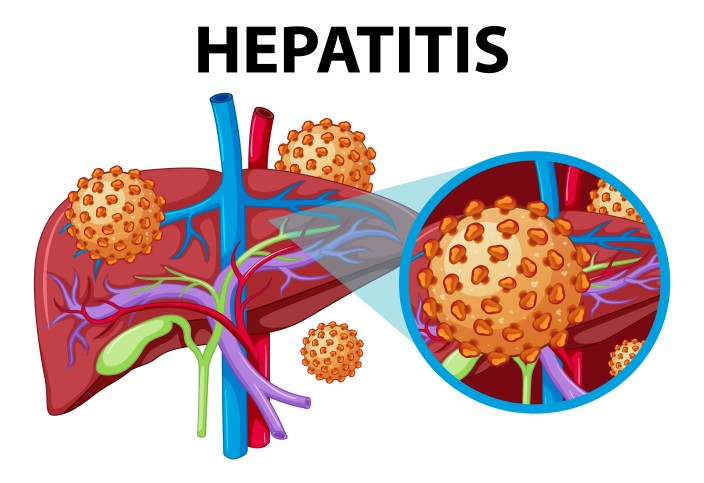
A stretch of unusual tiredness, a sudden loss of appetite, or urine that looks darker than normal are easy to write off as a passing bug. Sometimes, though, they are the earliest hepatitis symptoms of a liver infection that spreads through contaminated food and water.
Hepatitis A is one of the more common causes of acute liver inflammation worldwide, and while most people recover completely without lasting damage, the illness can still knock you off your feet for weeks. Hence, it is important to understand what hepatitis A is, how it spreads, and what its symptoms look like. This article covers the essentials, from causes to treatment and prevention.
What Is Hepatitis A?
Hepatitis A is a highly contagious liver infection caused by the hepatitis A virus. The virus inflames the liver and temporarily affects its ability to filter toxins, process nutrients, and produce proteins the body needs. Unlike hepatitis B or C, hepatitis A does not lead to chronic infection or long-term liver damage in most cases. Most people recover fully within a few weeks to a couple of months. There are some cases that drag on for a long time.
Hepatitis Symptoms to Watch For
Symptoms usually appear a few weeks after exposure, though some people carry and spread the virus without ever feeling unwell themselves.
- Unusual tiredness and weakness
- Sudden nausea, vomiting or diarrhoea
- Pain or discomfort in the upper right side of the abdomen, over the liver
- Loss of appetite
- Low-grade fever
- Dark urine and clay- or grey-coloured stool
- Joint pain
- Yellowing of the skin and the whites of the eyes, known as jaundice
- Intense itching
These symptoms sometimes stay mild and clear up within a few weeks, though in rare cases hepatitis A leads to a more severe illness that lasts for several months.
Causes of Hepatitis A and How It Spreads
Hepatitis A spreads through the faecal-oral route, meaning the virus passes from small amounts of infected stool into another person's mouth. This happens most commonly through contaminated food or water, close contact with an infected person, or surfaces touched by unwashed hands.
- Eating food prepared by someone who has not washed their hands properly after using the toilet
- Drinking contaminated water
- Eating raw shellfish from polluted water and close contact with an infected household member are all common routes of transmission.
The virus can survive on surfaces for months, which makes hygiene at every stage of food handling vital during outbreaks.
Who Is at Higher Risk?
Certain groups have a higher chance of exposure or complications from hepatitis A, and knowing where you fall on this list helps guide prevention decisions.
- Anyone travelling to or living in regions with poor sanitation
- People living with someone who has hepatitis A
- Individuals with chronic liver disease, who face a higher risk of severe illness
- Older adults, who are more likely to experience acute liver failure in rare cases
- Anyone who recently ate at a restaurant linked to a hepatitis A outbreak
Diagnosis and Treatment of Hepatitis A
A simple blood test confirms hepatitis A by detecting antibodies your immune system produces in response to the virus. There is no specific antiviral medication for hepatitis A, so treatment focuses on supportive care while the body clears the infection on its own. Rest, adequate fluids, and a balanced diet help the liver recover, and doctors generally advise avoiding alcohol and any medication that places extra strain on the liver until symptoms fully resolve. Most people recover completely, and once the infection clears, the body develops lifelong immunity against future hepatitis A infection.
How to Prevent Hepatitis A?
Vaccination is the single most effective way to prevent hepatitis A, and a few hygiene habits close most of the remaining gaps.
- Get vaccinated before travelling to areas where hepatitis A is common
- Wash hands thoroughly with soap after using the toilet and before preparing or eating food
- Drink bottled or boiled water when travelling, and avoid ice of uncertain origin
- Wash fruits and vegetables carefully, or peel them yourself
- Avoid raw or undercooked shellfish from waters with uncertain safety records
Conclusion
Hepatitis A is unpleasant but rarely dangerous for most people, and the majority of them recover completely without any lasting effect on liver health. What makes it worth taking seriously is how easily it spreads through everyday contact with contaminated food, water or surfaces, before anyone realises they are infected at all.
The vaccine offers strong, long-lasting protection and is worth discussing with your doctor if you have not already received it, above all if travel, food service work or close contact with someone infected puts you at higher exposure. If you notice symptoms such as jaundice, dark urine or persistent fatigue, do not wait them out at home hoping they pass. Visit Hinduja Hospital, Mahim for testing and guidance, so our gastroenterologists’ team can confirm the diagnosis and help you recover safely.
Friquently Ask Questions
How to cure hepatitis A fast?
There is no quick cure for hepatitis A. Most people recover naturally with rest, plenty of fluids, a healthy diet, and by avoiding alcohol. Recovery usually takes a few weeks to a few months.
Can I live a normal life with hepatitis?
Yes. Most people with hepatitis A recover completely and live a normal life. People with chronic hepatitis B or C can also lead healthy lives with proper treatment and regular medical care.
What is the best drink for hepatitis?
Water is the best drink to stay hydrated. Herbal teas, fresh fruit juices (in moderation), and oral rehydration solutions can also help. Avoid alcohol and sugary drinks, as they can put extra strain on the liver.
Submit your query