 Share
ShareWhat is Type 5 Diabetes? A Complete Guide
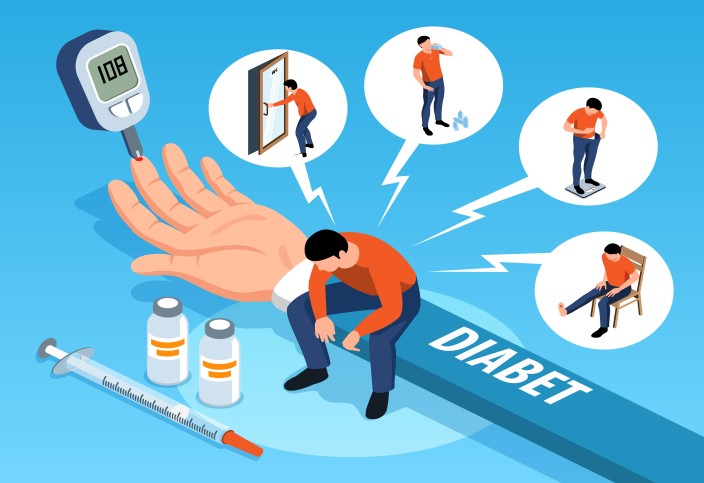
Type 5 Diabetes is a term not widely used in common medical conversation, though its characteristics are far from new. Unlike the metabolic dysfunctions commonly tied to lifestyle, autoimmune conditions, or insulin resistance, Type 5 Diabetes is different.
It has its roots in sustained undernutrition, like chronic deprivation of calories, protein, and essential nutrients. It grows quietly among individuals who are malnourished since early childhood.
Type 5 diabetes was formally reintroduced by the International Diabetes Federation (IDF) to draw attention to a form of diabetes that develops slowly in low and middle-income countries due to malnourishment.
Origin and Recognition of Type 5 Diabetes
The conceptual framing of Type 5 Diabetes finds its origin in observations from low-income and tropical regions where children and young adults, often thin, stunted, and deficient in multiple micronutrients, are found. They began presenting symptoms of diabetes that were not usual. No obesity, no family history, no autoimmune markers. Yet blood sugar levels told a different story.
What causes diabetes in such cases has less to do with insulin resistance or pancreatic autoimmunity and more to do with insufficient building blocks for normal metabolic development. Over time, protein-energy malnutrition and chronic deficiencies in iron, zinc, and B vitamins impair beta-cell function and glucose utilization. It is still one of the lesser-known forms of diabetes as compared to others.
How Is Type 5 Diabetes Different from Types 1 to 4 Diabetes?
Type 5 Diabetes does not follow the metabolic scripts of its predecessors. Here’s a simple comparison:
Type
Cause
Typical Profile
Onset
Key Characteristics
Type 1
Autoimmune destruction of beta cells
Children, adolescents
Sudden
Requires lifelong insulin
Type 2
Insulin resistance is often tied to obesity
Adults, older individuals
Gradual
Often lifestyle-modifiable
Type 3
Linked to Alzheimer 's-type brain insulin resistance
Elderly
Insidious
Neurological overlap
Type 4
Age-related beta cell dysfunction
Seniors
Gradual
Age-associated decline
Type 5
Malnutrition-induced metabolic dysfunction
Undernourished individuals
Early life to young adulthood
Nutrient deficiency, thin build, non-obese diabetics
There is no standard consensus on how many types exist. The term “5 types of diabetes” is itself under continuous revision in the scientific literature, with more phenotypes emerging from ongoing data clustering studies.
Symptoms, Causes, and Risk Factors of Type 5 Diabetes
The symptoms of type 5 diabetes mirror classical diabetes:
- frequent urination,
- weight loss,
- fatigue,
- slow healing.
But they coexist with other signs not associated with standard types, like stunted growth, low BMI, pallor, recurrent infections, and delayed puberty in adolescents.
The diabetes causes here are shaped by early-life circumstances:
- Protein deficiency,
- Vitamin A and B12 depletion,
- Iron-deficiency anaemia.
These symptoms don’t happen in episodes. They begin in infancy and reshape metabolism during key developmental years.
Some of the risk factors of type 5 diabetes include:
- Exposure to intestinal parasites
- Unsafe drinking water
- Poorly diversified diets and untreated infections.
Diagnosis and Treatment
Diagnosis of Type 5 Diabetes needs conventional tests, but the interpretation of the test is different. The assessment is not just about sugar; it is about the backdrop in which dysregulation unfolds.
Diagnosis
- Standard tests still apply:
- Fasting Blood Glucose
- Postprandial Blood Sugar
- HbA1c levels
- Additional evaluations are also considered:
- C-peptide levels to assess residual beta-cell function.
- Micronutrient panels to check for deficiencies in iron, zinc, folate, and vitamin B12.
- Anthropometric assessments include BMI, growth charts, and mid-upper arm circumference.
- Clinical history of recurrent infections, delayed growth, and childhood malnutrition,
- Absence of typical markers, such as no autoimmune antibodies, no obesity, and no strong family history.
Treatment
- Nutritional rehabilitation forms the base:
- High-protein, energy-dense meals.
- Fortified nutritional supplements are specific to deficiencies.
- Correction of anaemia and vitamin deficiencies (iron, folate, B12).
- Glycemic control is introduced cautiously:
- Low-dose oral hypoglycaemic agents are considered.
- Insulin is reserved for cases with significant beta-cell compromise, often adjusted for lean physiology.
- Frequent monitoring to avoid hypoglycaemia due to limited glycogen reserves.
- Supportive care includes:
- Deworming is recommended if parasitic infections are suspected.
- Immunization status review.
- Ongoing dietary counselling to maintain nutritional gains.
Conclusion
Type 5 Diabetes is a lesser-known type, but it can’t be ignored. Not all diabetes is born of sugar and fat. Some forms grow out of hunger, long-term deprivation, and silent nutritional erosion.
If you or someone you know has experienced persistent fatigue, poor weight gain, or blood sugar imbalances despite being underweight, book an appointment at Hinduja Hospital Mahim. Our doctors consider the full picture, including clinical, nutritional, and developmental factors, when evaluating diabetes to better understand your risk, receive appropriate screening, and get care tailored to your body’s history.
Frequently Asked Question (FAQs)
How to avoid diabetes?
Eat a balanced diet, stay active, keep your weight in check, and manage stress. Regular health checkups can help catch problems early.
What is the main food that causes diabetes?
Sugary drinks, refined carbs like white bread and white rice, and processed meats such as ham and sausages.
Can diabetics eat rice?
Yes, but in small portions. Choose healthier types like brown rice and eat it with vegetables or protein to balance your meal.
Submit your query